


How to Master and Minimize Your Furniture Logistics Cost from China
- Wolfgang Adler

- 2 days ago
- 4 min read
When sourcing home and office decor globally, many importers make the mistake of focusing solely on the Ex-Works (EXW) or Free on Board (FOB) price. However, the journey from a factory in Guangdong or Zhejiang to your local warehouse can quickly erode your profit margins. Managing the furniture logistics cost China exporters quote requires analyzing the total landed cost rather than just the factory price, as optimized packaging and product design directly reduce shipping volume and protect import margins.
To build a highly competitive and resilient retail or e-commerce business, you must understand how structural design, freight optimization, and packaging engineering interact to define your bottom-line expenses.
Why Ex-Works Price Misleads: The True Total Landed Cost of China Furniture
Looking exclusively at factory-floor pricing is one of the most common pitfalls in international trade. The initial product quote represents only a fraction of your actual cash outlay. To evaluate the true viability of your supply chain, you must calculate the total landed cost furniture import shipments accumulate.
Total Landed Cost = Factory Product Price + Export Customs Clearance + Ocean/Air Freight + Import Duties/Tariffs + Local Port Charges + Last-Mile DeliveryFor bulky items like sofas, bed frames, and dining tables, freight and local handling can easily exceed the manufacturing price itself. Ocean freight rates can fluctuate wildly based on peak seasons, global economic pressures, and port congestion. When you factor in warehousing, demurrage, and final-mile distribution, you realize that managing your furniture logistics cost China expenses is just as critical as negotiating the raw material costs at the factory level.

How Product Design Dictates Your Ocean Freight and Warehousing Costs
Many importers do not realize that their logistics optimization should actually begin at the product design phase. The physical dimensions, shape, and structural engineering of a piece of furniture dictate how many units can fit into a standard 40-foot High Cube (HC) container.
Every cubic centimeter of wasted space inside a container represents money thrown directly into the ocean. By working closely with your manufacturing partners early on, you can implement subtle design changes that yield massive logistics savings. For example, slight adjustments to the taper of chair legs, modular headboard configurations, or nesting capabilities can increase your container utilization from 60% to over 95%. Understanding how to manage the furniture logistics cost China shipping lanes demand begins with smart, container-friendly product engineering.
The Power of Flat-Pack Packaging in Reducing Shipping Volumes
Pre-assembled furniture may offer immediate convenience to the end consumer, but it is incredibly expensive to ship over long distances. Shipping "air" across the Pacific is a quick way to drain your cash reserves. This is where the structural efficiency of knock-down (KD) or flat-pack furniture becomes indispensable.
Transitioning to flat-pack systems dramatically lowers your flat pack furniture shipping cost by squeezing maximum density into every shipment.
Higher Density: A container that fits only 80 pre-assembled cabinets can easily hold 300 to 400 flat-packed units.
Lower Warehousing Fees: Warehouses charge by square footage or pallet volume. Flat-pack boxes stack neatly, lowering your storage footprints globally.
Flexible Final Mile: Courier services (like UPS or FedEx) charge heavy surcharges for oversized, non-conforming items. Flat-packs are far easier to route through standard parcel delivery networks.
Embracing furniture packaging design logistics standards means designing the box alongside the product, ensuring zero wasted space inside the outer carton.
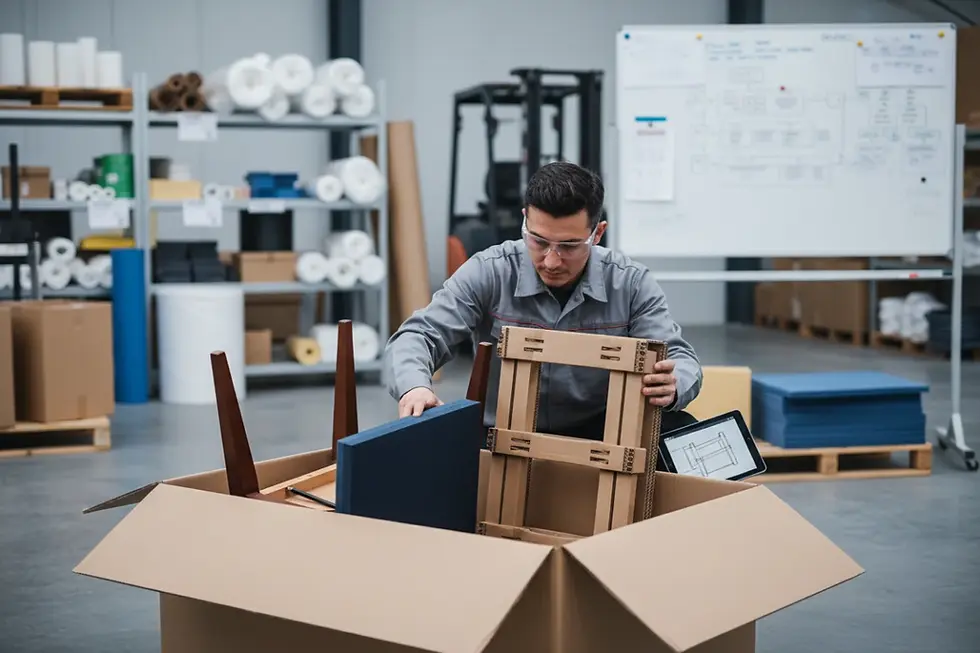
Materials Matter: Balancing Furniture Protection with Freight Weight furniture logistics cost
While reducing shipment volume is key, you must not sacrifice protective integrity to get there. Damages, returns, and customer complaints are some of the most expensive aspects of modern retail. If a product arrives with scratched wood or shattered glass, your logistics cost effectively doubles because you have to fund the return, disposal, and a replacement delivery.
To effectively reduce furniture shipping cost China importers must find the ideal balance between packaging weight and protective performance:
Engineered Foam Inserts: Use customized Expanded Polyethylene (EPE) or molded pulp corner protectors rather than loose packing peanuts.
Honeycomb Cardboard: Honeycomb paperboard offers incredibly high crush resistance while keeping the overall box weight exceptionally light.
ISTA Drop Testing: Force your manufacturer to perform standardized drop tests (such as ISTA 1A or 3A) before the goods leave the factory floor. Finding out about weak packaging in your local warehouse is a logistical nightmare.
By analyzing every node of your furniture logistics cost China routes, you will find that investing a few extra cents in premium, lightweight packaging materials pays massive dividends by virtually eliminating costly product damage returns.
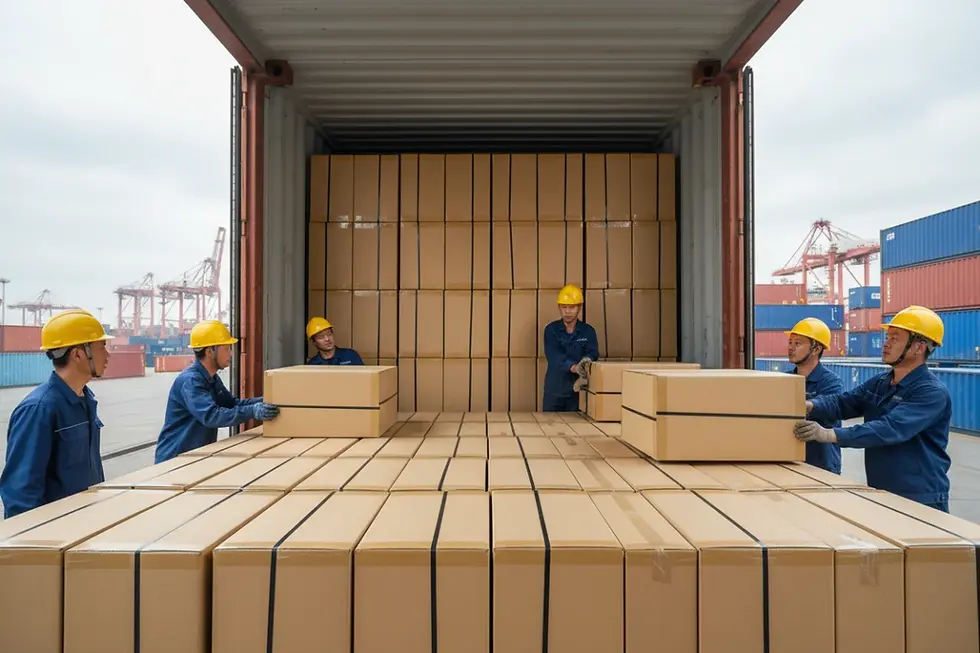
Actionable Steps to Optimize Your Furniture Supply Chain from China
To successfully manage your furniture logistics cost China supply chains require systematic optimization and continuous oversight. Use this quick checklist to overhaul your operations:
Consolidate Cargo: If you source from multiple factories in regions like Foshan, Ningbo, or Dongguan, utilize local consolidation warehouses to fill complete FCL (Full Container Load) shipments instead of shipping expensive LCL (Less than Container Load) packages.
Standardize Box Dimensions: Keep box heights and widths consistent across different product lines to make palletization and container stacking puzzle-solving a breeze.
Negotiate Better Terms: Do not simply accept the factory's default shipping partner. Always benchmark their freight quotes against specialized, independent freight forwarders who specialize in high-volume furniture transport.
Do not let inefficient packaging and bulky product designs inflate your furniture logistics cost China margins. By partnering with experts who understand the intersection of packaging science, structural product design, and global logistics, you can transform your supply chain into a major competitive advantage.
Ready to uncover hidden savings in your supply chain and optimize your margins? Request Packaging Optimization Review today and let our specialists streamline your furniture transport efficiency.
FAQ
What is the difference between FOB and Total Landed Cost for China furniture imports?
FOB (Free on Board) only covers the product cost up to the point it is loaded onto the vessel in China. Total Landed Cost includes the product price, ocean freight, customs clearance, import tariffs, port fees, warehousing, and domestic transport to the final destination.
Why is flat-pack design so critical for reducing logistics costs?
Flat-pack designs reduce the volume (cubic meters) of the shipment, allowing you to load significantly more units into a single container. This reduces the freight cost per unit and lowers local storage and delivery fees.
What packaging standards are used to prevent furniture shipping damage?
The International Safe Transit Association (ISTA) standards, specifically ISTA 1A or ISTA 3A, are widely used in the furniture industry to test drop resistance, vibration protection, and structural integrity during shipping.


Comments