


Why Japandi Dining Chairs Are Becoming a Smart Choice for Furniture Buyers
- Media ASKT

- Jun 5
- 11 min read
Introduction

Japandi dining chairs are becoming a smart choice for furniture buyers because they answer three important market needs at once: clean design, everyday comfort, and long-term commercial flexibility. For B2B buyers, this style is not only about appearance. It is about choosing dining chairs that can fit modern homes, reduce styling risk, support wider customer groups, and remain relevant beyond one short trend cycle.
Japandi is a design style that blends Japanese simplicity with Scandinavian warmth. In dining chairs, this often means soft lines, calm colors, natural textures, slim silhouettes, and practical comfort. The result is a chair that feels minimal but not cold, elegant but not difficult to sell, and modern without looking overly trendy.
For furniture retailers, wholesalers, importers, and e-commerce sellers, Japandi dining chairs offer a useful middle ground. They can work in small apartments, family dining rooms, open-plan kitchens, boutique interiors, and lifestyle-focused online collections. This makes them especially attractive for buyers who want products with broad appeal, clear visual identity, and lower inventory risk.
What Are Japandi Dining Chairs?
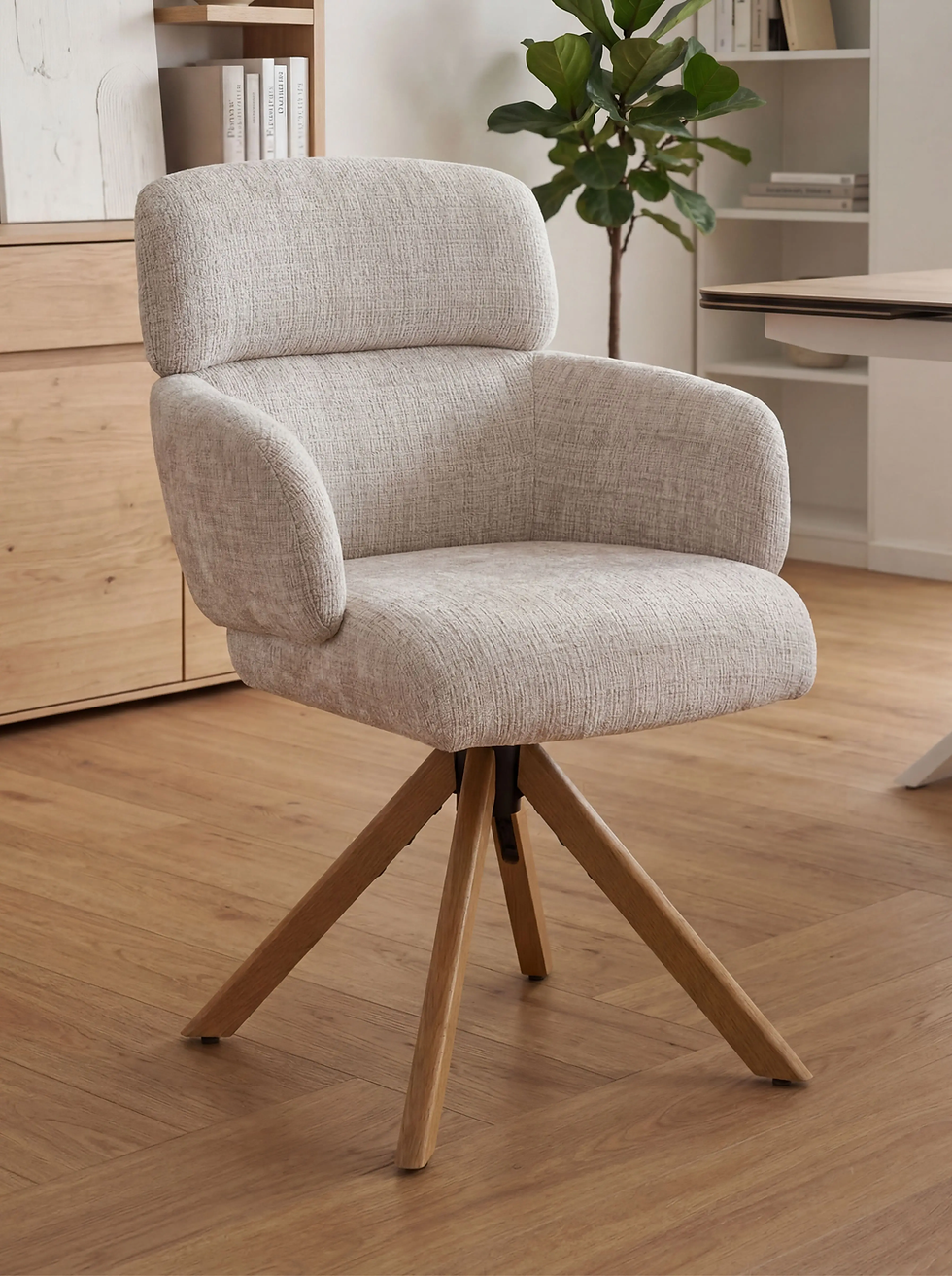
Japandi dining chairs are dining chairs designed around the shared values of Japanese and Scandinavian interiors: simplicity, balance, comfort, and natural warmth. They usually avoid heavy decoration and instead focus on shape, material, proportion, and texture.
A typical Japandi dining chair may include a curved backrest, neutral upholstery, wood-look details, soft fabric, slim metal or wooden legs, and a comfortable seat shape. The design should feel calm and intentional rather than decorative or dramatic.
For B2B furniture buyers, the key point is this: Japandi is not a loud style. It is a quiet commercial style. It does not depend on bright colors, seasonal patterns, or extreme shapes. That makes it easier for retailers to present, easier for consumers to imagine at home, and easier for wholesalers to position across different markets.
Why Japandi Style Fits Today’s Dining Room Market
Japandi style fits the modern dining room market because consumers are looking for interiors that feel peaceful, practical, and easy to live with. Dining areas are no longer used only for formal meals. They often function as workspaces, family gathering areas, homework corners, and social spaces.
This creates demand for dining chairs that are visually soft and physically comfortable. A chair that looks good in a photo but feels uncomfortable in daily use is a weak product for repeat sales. A chair that is comfortable but visually outdated is also difficult to position in a modern collection.
Japandi dining chairs solve this tension well. They give buyers a design language that feels current while still being functional. They can be styled with wooden tables, ceramic accessories, neutral rugs, black metal details, or soft natural lighting. This flexibility makes them useful for furniture brands that need to build lifestyle scenes, not just sell individual chairs.
The B2B Value of Japandi Dining Chairs

The business value of Japandi dining chairs comes from their wide customer fit. A strong B2B furniture product should not only look attractive in a showroom; it should also be easy to explain, easy to merchandise, and easy to combine with other products.
Japandi dining chairs perform well in these areas because the style has a clear story. Buyers can describe it as simple, warm, natural, calm, and modern. These words are easy for sales teams, product pages, catalogs, and social media content to use.
For furniture buyers, the main value is not just “this chair looks nice.” The real value is that the chair can support multiple sales scenarios:
It can be sold as part of a dining set.
It can be used in a lifestyle collection.
It can fit both compact apartments and larger homes.
It can appeal to consumers who like minimalism but still want comfort.
It can work in neutral, natural, or premium product ranges.
This makes Japandi dining chairs a practical choice for buyers who want a design direction with both aesthetic strength and commercial usability.
Why Furniture Buyers Prefer Styles with Lower Trend Risk
Furniture buyers usually need to think beyond one selling season. A dining chair that looks fashionable today but outdated next year can create stock pressure. That is why buyers often prefer styles that have trend appeal but are not too extreme.
Japandi dining chairs are useful because they are trend-aware without being trend-dependent. Their design roots come from long-standing principles: simplicity, craftsmanship, natural materials, and functional comfort. These values are less likely to disappear quickly.
Compared with bold luxury styles, Japandi chairs are easier to blend into different homes. Compared with plain basic chairs, they have a stronger design identity. This balance helps buyers reduce the risk of choosing products that are either too ordinary or too niche.
Key Features B2B Buyers Should Look For

Simple Lines and Balanced Proportions
A good Japandi dining chair should have clean lines, but it should not feel stiff. The backrest, seat, and legs should form a balanced shape. Proportion is especially important because Japandi design depends on restraint. If the chair looks too bulky, it loses the lightness of the style. If it looks too thin, it may feel weak or uncomfortable.
Neutral and Natural Color Options
Japandi colors usually include beige, cream, taupe, grey, brown, black, and muted earth tones. These colors help retailers create calm product pages and showroom scenes. They also make it easier for customers to match dining chairs with existing tables and interiors.
For B2B buyers, neutral colors are often safer than very strong seasonal shades. They can appeal to more consumers and reduce the chance of slow-moving inventory.
Comfortable Upholstery
Comfort is a major factor in dining chair sales. Many consumers now use dining chairs for longer periods, especially in open-plan homes or small apartments where the dining area also becomes a work area.
For upholstered Japandi dining chairs, buyers should pay attention to fabric durability, breathability, stain resistance, color fastness, and touch. ASKT’s focus on dining chair fabrics is relevant here because the company tests fabrics for abrasion resistance, color fastness, and breathability, while also offering waterproof, stain-resistant, breathable, and pet-friendly fabric options.
Reliable Structure and Testing
A beautiful chair is not enough for B2B buyers. Dining chairs need to survive transportation, showroom use, customer assembly, daily sitting, and long-term household use. Structural reliability directly affects return rates, customer reviews, and after-sales workload.
ASKT has invested in multiple chair testing machines, including tests for seat durability, seat impact, backrest impact, static load, armrest durability, and chair-leg load. The company also has dedicated quality inspection personnel and a physical testing setup, which supports safer and more consistent dining chair production.
Japandi Dining Chairs vs. Other Popular Dining Chair Styles
The main difference between Japandi dining chairs and many other dining chair styles is their balance of visual calm and commercial flexibility. They are more distinctive than basic modern chairs, softer than industrial chairs, and less decorative than luxury chairs.
Dining Chair Style | Main Design Character | B2B Advantage | Possible Risk | Best Buyer Fit |
Japandi | Minimal, warm, natural, calm | Broad appeal, easy styling, lower trend risk | Needs good material and proportion control | Retailers, wholesalers, e-commerce brands |
Scandinavian | Light, simple, practical | Familiar to European consumers | Can look too basic if not updated | Mass-market and lifestyle retailers |
Industrial | Metal, dark tones, strong structure | Clear visual identity | May feel cold or heavy for some homes | Urban-style furniture sellers |
Modern Luxury | Decorative, premium, bold | Higher perceived value | More trend-sensitive and niche | Premium showrooms and statement collections |
Classic Upholstered | Comfortable, traditional | Easy to understand | May look less fresh online | Family dining and traditional markets |
This comparison shows why Japandi is attractive for buyers who need a style that is both recognizable and adaptable. It gives a collection design direction without forcing the retailer into a narrow customer segment.
How Japandi Dining Chairs Support Better Merchandising
Japandi dining chairs are easy to merchandise because they work well with storytelling. A retailer can build a product scene around calm living, natural materials, warm minimalism, or modern family dining. This makes the chair easier to present online and offline.
In e-commerce, Japandi chairs photograph well because their shapes and colors are usually not visually noisy. Neutral upholstery, curved seats, and simple legs help customers focus on form and comfort. For marketplaces and online stores, this can support clearer product images and more consistent collection pages.
In showrooms, Japandi chairs are easy to pair with dining tables, pendant lamps, rugs, and tableware. They do not fight with other furniture pieces. Instead, they help create a complete lifestyle setting. For furniture buyers, this matters because well-styled products are easier for customers to understand.
Why Japandi Dining Chairs Are Relevant for European Furniture Buyers
Japandi dining chairs are especially relevant for European furniture buyers because they align well with modern European home preferences: practical layouts, compact living spaces, neutral interiors, and growing interest in sustainable materials.
Many European consumers want furniture that feels modern but not disposable. They often prefer products that look calm, function well, and fit into apartments or houses without overpowering the room. Japandi dining chairs match this demand because they are visually light and easy to integrate.
For suppliers serving European buyers, design alone is not enough. Buyers also ask about certifications, lead times, customization options, packaging, quality, and compliance. ASKT’s background shows a strong focus on dining room furniture, European markets, product development, quality control, and sustainability-related packaging improvements, which are important factors for B2B buyers evaluating dining chair suppliers.
Materials Matter More in Japandi Design
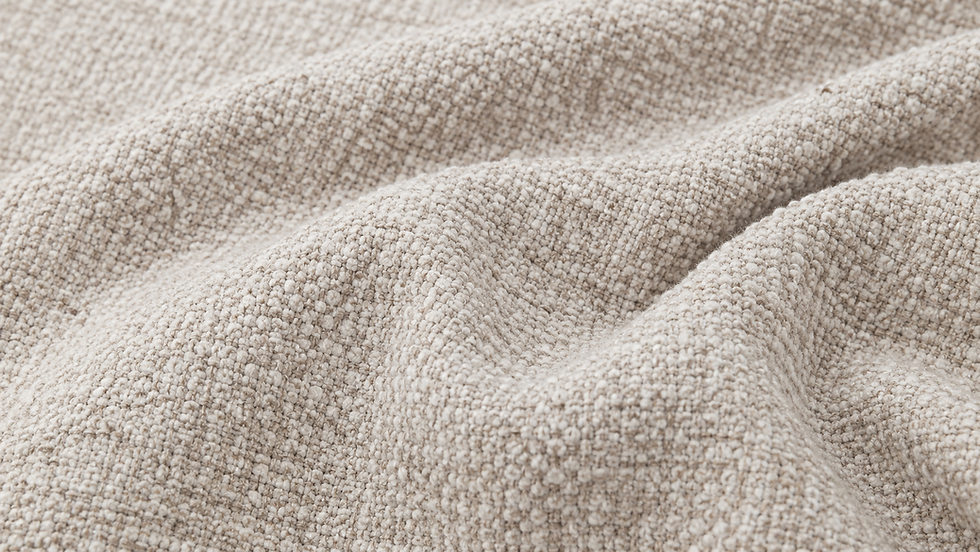
Materials are central to Japandi dining chairs because the style depends on texture rather than decoration. When a design is simple, every detail becomes more visible. The fabric, stitching, foam, frame, leg finish, and seat curve all affect perceived quality.
For upholstered dining chairs, fabric choice is one of the most important product decisions. A poor fabric can make a good shape feel cheap. A good fabric can make a simple chair feel warm, durable, and more premium.
ASKT’s fabric development direction fits this logic. The company emphasizes fabric weaving, raw material selection, abrasion resistance testing, color fastness testing, breathability testing, and OEKO-TEX® STANDARD 100 certified fabrics. This is especially relevant for Japandi chairs, where soft texture and safe materials can strongly influence buyer confidence.
Sustainability Makes Japandi More Commercially Relevant
Sustainability strengthens the commercial value of Japandi dining chairs because the style already communicates natural living and mindful consumption. Buyers can create a more convincing product story when the design direction and supply chain choices support the same message.
For example, packaging can be part of the sustainability story. ASKT has introduced a zero-plastic packaging program that replaces plastic paper with honeycomb paper, plastic tape with paper tape, and other plastic-related packaging materials with more recyclable paper-based alternatives. The company states that this has helped customers reduce packaging-related environmental compliance costs and improve logistics efficiency.
For B2B buyers, sustainability is not only a marketing phrase. It can affect compliance, customs checks, customer perception, and brand positioning. A Japandi dining chair collection with responsible material and packaging choices is easier to present as a thoughtful, modern product line.
Customization Can Increase the Value of Japandi Dining Chairs
Customization is important in B2B furniture because different markets prefer different colors, bases, seat shapes, and price levels. Japandi dining chairs are especially suitable for customization because small changes can create different product moods without destroying the design identity.
A chair with beige fabric and wooden legs may feel soft and natural. The same chair with grey fabric and black metal legs may feel more urban and modern. This gives buyers flexibility while keeping product development efficient.
ASKT’s KINEXA™ quick-connect chair system is a useful example of how modular thinking can support buyers. The system allows buyers to combine chair models, fabric or material finishes, and base options, creating multiple dining chair combinations from one system. For B2B buyers, this can support faster assortment planning, easier product matching, and lower inventory risk.
What B2B Buyers Should Ask Before Sourcing Japandi Dining Chairs
B2B buyers should evaluate Japandi dining chairs through both design and operational questions. A chair should not only match the style; it should also fit the buyer’s business model.
Important questions include:
Does the chair have the right proportion for the target market?
Are the colors suitable for current dining room trends?
Is the fabric durable, breathable, and easy to clean?
Can the supplier provide testing information?
Are there customization options for fabric, legs, and packaging?
What is the lead time for samples and bulk production?
Can the supplier support mixed containers or flexible order planning?
Does the packaging meet environmental requirements in the target market?
These questions help buyers avoid the common mistake of choosing only by appearance. In B2B furniture sourcing, a good product must be attractive, reliable, repeatable, and commercially manageable.
Why Japandi Dining Chairs Work Well for Online Furniture Sales
Japandi dining chairs work well online because they communicate quickly through images. In digital furniture sales, customers often make decisions before touching the product. That means visual clarity becomes extremely important.
A Japandi chair usually has a clean outline, soft color, and easy-to-understand function. It can be shown in lifestyle scenes, close-up fabric shots, room settings, and dining table combinations. These visual assets help customers understand the product faster.
For e-commerce buyers, Japandi chairs also support cross-selling. They can be paired with dining tables, benches, rugs, lighting, and home decor. This makes them useful not only as individual SKUs but also as part of a larger interior collection.
The Main Commercial Advantage: Broad Appeal Without Losing Identity
The strongest commercial advantage of Japandi dining chairs is that they have broad appeal without losing design identity. Many broad-appeal products become too plain. Many design-led products become too niche. Japandi sits between these two extremes.
This balance matters for furniture buyers because it supports both sell-through and brand image. A retailer can present Japandi dining chairs as stylish and modern, but still accessible to ordinary households. A wholesaler can offer them to multiple customer types without needing a completely different sales story for each channel.
In practical terms, Japandi dining chairs can help buyers build collections that feel curated, calm, and commercially safe.
FAQ
What is a Japandi dining chair?
A Japandi dining chair is a dining chair that combines Japanese-inspired simplicity with Scandinavian warmth. It usually features clean lines, calm colors, natural textures, and practical comfort.
Why are Japandi dining chairs popular with furniture buyers?
Japandi dining chairs are popular because they are easy to style, suitable for many home interiors, and less trend-sensitive than bold decorative chairs. They offer a good balance between design appeal and commercial practicality.
Are Japandi dining chairs suitable for European markets?
Yes. Japandi dining chairs fit well with many European home preferences, especially neutral interiors, compact spaces, natural materials, and modern dining room layouts.
What materials are best for Japandi dining chairs?
Common materials include soft upholstery fabrics, wood-look finishes, natural-toned textiles, slim metal frames, and comfortable foam seats. The best choice depends on the buyer’s target price point and customer expectations.
What should B2B buyers check before ordering Japandi dining chairs?
B2B buyers should check chair structure, fabric durability, comfort, testing standards, customization options, packaging, MOQ, lead time, and supplier reliability.
Can Japandi dining chairs be customized?
Yes. Japandi dining chairs are highly suitable for customization because buyers can adjust fabric colors, leg styles, finishes, and packaging while keeping the same calm design language.
Are Japandi dining chairs only for premium collections?
No. Japandi dining chairs can work in both mid-range and premium collections. The final positioning depends on material quality, construction, fabric choice, and design details.
Conclusion

Japandi dining chairs are becoming a smart choice for furniture buyers because they combine design clarity, comfort, flexibility, and commercial stability. They are not simply a visual trend; they are a practical product direction for retailers, wholesalers, importers, and e-commerce brands that want dining chairs with wide appeal and a clear lifestyle story.
For B2B buyers, the real value of Japandi dining chairs lies in their ability to reduce styling risk, support modern merchandising, fit multiple home environments, and remain relevant beyond one short season. The best products in this category are not only beautiful. They are well-proportioned, comfortable, durable, responsibly packaged, and supported by reliable supplier capabilities.
As dining rooms continue to become more flexible living spaces, buyers need chairs that feel calm, useful, and easy to understand. Japandi dining chairs meet that need with quiet confidence. That is why they are becoming more than a popular style; they are becoming a practical sourcing direction for modern furniture businesses.
For buyers planning a new dining chair collection, Japandi is a category worth evaluating now. The right supplier can help you select suitable fabrics, adjust colors and leg options, control quality, and build a collection that fits your target market instead of simply following a trend.
ASKT focuses on contemporary dining chairs and dining room furniture, with experience in European markets, product development, quality testing, fabric selection, and more sustainable packaging solutions. If you are looking for Japandi-style dining chairs for your next collection, ASKT can support you with product options, customization suggestions, sample development, and B2B sourcing solutions.
To explore Japandi dining chair designs, fabric choices, base options, or private-label possibilities, get in touch with ASKT and discuss what kind of collection would work best for your market. A calm, natural, and commercially practical dining chair line may be the next strong addition to your product range.


Comments