


Sourcing Contract Grade Dining Chairs: The B2B Guide for European Wholesalers and Importers
- Wolfgang Adler

- 1 day ago
- 8 min read
For European furniture wholesalers, retail chains, and contract furniture buyers, selecting dining furniture is a highly structured, strategic decision. In commercial settings like high-traffic restaurants, luxury hotels, and modern offices, domestic furniture simply cannot survive the operational demands. This is why the European market has established high requirements for contract grade dining chairs that can withstand continuous use while maintaining aesthetic appeal.
As a professional B2B furniture manufacturer and supply chain partner with over 20 years of experience, ASKT focuses on supporting importers, retail chains, and purchasing managers in Germany, the Netherlands, the UK, and Poland. We understand that professional buyers prioritize manufacturing transparency, quality control, regulatory compliance, and logistics efficiency over simple product appearance. Sourcing durable seating is about mitigating supply chain risks and ensuring the long-term satisfaction of commercial clients. In this guide, we will analyze the critical engineering standards, fabric characteristics, and logistical factors that define high-quality contract grade dining chairs for the European market.
What Defines True Contract-Grade Dining Chairs for European Markets?
To select the right products for commercial spaces, B2B buyers must understand the engineering differences between residential and contract furniture. While a residential chair is designed for light, domestic use, a commercial chair is subjected to constant, heavy traffic. Guests of all sizes sit in them, staff move and stack them daily, and they are exposed to frequent cleaning cycles.
Therefore, defining a chair as "contract grade" means verifying that its structural design, material composition, and finish are specifically engineered for high-frequency environments. For a hospitality dining furniture supplier, this involves testing every single component—from the joint connections of the frame to the chemical safety of the upholstery.
In European markets, this definition is backed by objective performance testing and strict compliance with European safety regulations. When sourcing commercial dining chairs wholesale, purchasing managers must look beyond styling and require certified evidence of structural strength and material performance. Partnering with a manufacturer who understands these requirements reduces the risk of product failure and liability claims, protecting your brand reputation and helping you build a highly reliable product portfolio for your business clients.
Structural Strength: Heavy-Duty Frames and Swivel Mechanism Testing
At the heart of any durable chair is its structural frame. For commercial spaces, sourcing EN 16139 certified chairs is the standard procedure to ensure safety and durability. The EN 16139 standard specifies the structural strength, safety, and durability requirements for all types of non-domestic seating.
To meet these demanding standards, manufacturers must utilize high-quality materials and precise assembly techniques. While residential frames may rely on basic wood joins or thin metal pipes, contract chairs require reinforced metal frames, heavy-duty steel bases, or robust timber structures. At ASKT, our metal frames undergo strict powder coating processes to ensure resistance to rust, scratches, and chemical cleaners. This is particularly important in commercial spaces where floors are mopped daily with strong sanitation detergents that can corrode exposed metal. To guarantee consistency across large production runs, we use advanced automatic welding robotic arms. This automated process ensures complete weld penetration, eliminating human errors and protecting frames from structural fatigue.
Furthermore, modern hospitality spaces often require functional seating options, such as swivel and auto-return mechanisms. While these interactive features enhance comfort and space efficiency, they also introduce mechanical wear points. If a swivel mechanism is poorly made, it will quickly fail under commercial traffic. Therefore, a reliable hospitality dining furniture supplier must subject these mechanisms to strict product testing, simulating thousands of rotations under maximum load capacity. Sourcing certified swivel systems guarantees that the chairs maintain smooth movement and proper alignment, preventing costly mechanical failures in busy restaurant environments.

Upholstery and Fabric Performance: Durable Upholstered Contract Chairs
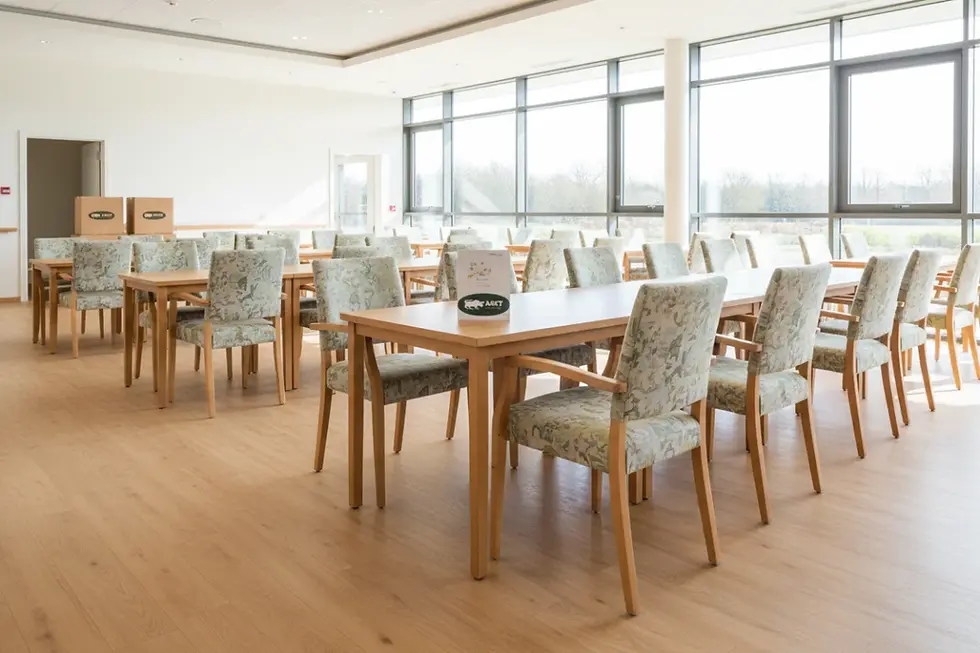
While the frame provides structural support, the upholstery is the most visible and heavily touched component of a chair. For commercial spaces, generic domestic fabrics are inadequate. Wholesalers and project managers must specify durable upholstered contract chairs that can withstand continuous friction, accidental spills, and frequent disinfection.
Fabric durability in the contract sector is measured by abrasion resistance, typically using the Martindale test method. Contract-grade fabrics must achieve high rub counts to ensure they do not thin, pill, or tear after months of heavy use. In addition to abrasion resistance, colour fastness is essential. The upholstery must resist fading from UV light and must not bleed during wet cleaning.
Waterproof and easy-clean fabrics are also crucial for maintaining hygiene in dining spaces. Advanced fabric treatments form a protective barrier that repels liquids, allowing staff to easily wipe away wine, coffee, or food stains without leaving residue. For specific B2B clients, pet-friendly materials are also required to prevent scratches and fabric pulls, especially in European boutique hotels and cafes that allow domestic pets—a significant consumer trend in Germany and the UK. By sourcing chairs upholstered with certified, high-performance fabrics, buyers ensure that the furniture remains clean and visually appealing. Crucially, all materials must comply with European chemical safety standards, ensuring they are free from harmful substances and safe for public use, directly supporting the ESG commitments of modern retail chains and corporate clients.
Ergonomics and Comfort: Designing Seating for Long Commercial Stays
While durability is critical, comfort is what directly influences the guest experience. An uncomfortable chair can shorten a guest's visit, directly impacting a restaurant's or hotel's revenue. Therefore, professional contract chairs must balance structural durability with outstanding ergonomic design.
Achieving long-term comfort requires advanced internal seating construction, such as pocket spring seating. While standard foam seating compresses and flattens over time, pocket spring systems distribute body weight evenly and bounce back to their original shape after use. This maintains both comfort and aesthetic consistency over years of service.
Ergonomic design also involves finding the optimal balance between seat height, backrest angles, and seat depth. Contract dining chairs must accommodate a wide range of body types comfortably while matching standard commercial table heights. At ASKT, our product development process incorporates ergonomic research to ensure that our dining chairs offer excellent lumbar support, helping guests sit comfortably during long commercial stays. Sourcing ergonomically designed seating allows wholesalers and contract buyers to offer high-value solutions that meet the practical needs of premium hospitality projects.

Sourcing Integrity: Factory Audits, BSCI Compliance, and ESG Standards
For European sourcing managers, purchasing directors, and retail chain buyers, a manufacturer's compliance with global standards is just as important as the physical quality of their products. Sourcing from unverified suppliers carries significant business and legal risks under modern European supply chain regulations.
Sourcing commercial dining chairs wholesale requires partnering with manufacturers who undergo rigorous factory audits, such as BSCI compliance. A BSCI audit verifies that the factory operates ethically, maintains safe working conditions, and respects labor rights. On the production floor, this translates into structured safety measures, such as providing workers with protective gear during the metal powder coating process and using eco-friendly, formaldehyde-free adhesives in the upholstery workshop to ensure clean air quality. This is especially crucial for buyers in Germany and the UK, where modern supply chain laws require strict oversight of human rights and labor conditions among international suppliers.
Additionally, aligning your procurement with ESG (Environmental, Social, and Governance) practices has become a major differentiator for European businesses. Buyers prefer manufacturers who actively reduce waste, optimize material usage, and manage energy efficiently. Demonstrating transparent quality control and ethical manufacturing practices not only reduces compliance risks for importers but also helps them attract environmentally and socially conscious corporate clients.
Logistics and Cost Control: KD Structure, Packaging Protection, and Container Loading
Sourcing high-quality durable upholstered contract chairs is only part of the process; ensuring they reach your European warehouse safely and cost-effectively is equally important. International shipping rates and logistics costs can significantly impact a buyer's profit margins if the products are not optimized for transport.
A Knock-Down (KD) structure is a vital feature for optimizing B2B logistics. By designing contract chairs that can be flat-packed and easily assembled at the destination, manufacturers drastically reduce the overall shipping volume. This allows for superior container loading, enabling buyers to maximize the number of units in each shipping container and reduce per-unit freight costs. Moreover, sourcing chairs alongside sintered stone or oak veneer dining tables allows for mixed-container loading, helping buyers curate complete dining collections while minimizing storage overhead.
Furthermore, robust packaging protection is essential to prevent transit damage during long-distance shipping and port handling. At ASKT, we minimize the use of single-use plastics in our cartons, replacing them with recycled honeycomb paper protection. Honeycomb paper provides excellent shock absorption, protecting vulnerable edges, metal legs, and fabric surfaces from impact during transit. This professional approach to packaging design minimizes product returns, protects the buyer's bottom line, and demonstrates a clear commitment to modern environmental standards.
The Professional Buyer's Contract-Grade Dining Chair Sourcing Checklist
To assist procurement managers and wholesale buyers in evaluating potential suppliers, we have created a comparative checklist. This table highlights the critical differences between standard residential seating and true contract-grade dining chairs, providing a clear reference for technical specifications:
Technical Specification | Standard Residential Chairs | True Contract Grade Dining Chairs |
|---|---|---|
:--- | :--- | :--- |
Frame Durability | Basic wooden joins or thin-walled metal frames; prone to loosening. | Reinforced steel frames, precision automatic robotic welding, powder coating. |
Testing Standards | Typically untested or self-declared for light domestic use only. | Certified under structural standards like EN 16139 certified chairs. |
Upholstery Wear | Standard fabric with low abrasion resistance (typical household use). | High abrasion-resistant fabrics, waterproof and easy-clean coatings. |
Seat Cushioning | Basic foam padding that compresses and loses shape over time. | Premium pocket spring seating combined with high-density ergonomic foam. |
Logistics & Assembly | Bulky, fully assembled items; high volume and shipping cost. | Optimized KD structure, flat-pack design, maximized container loading. |
Ethical & Green Compliance | Unverified supply chain, basic local production standards. | Full BSCI compliance, ethical working environments, ESG-friendly packaging. |

By prioritizing certified contract-grade specifications, professional buyers can protect their businesses from the costs of early replacements, product recalls, and customer complaints, ensuring a stable, highly profitable product range.
Conclusion
Sourcing high-quality contract grade dining chairs requires deep technical knowledge, transparent manufacturing processes, and strict adherence to European safety and environmental standards. For wholesalers, importers, and retail chains, choosing a reliable partner like ASKT ensures that your seating portfolios are built to last, legally compliant, and optimized for logistics. Our extensive manufacturing experience, combined with a strict commitment to quality and ethical compliance, makes us a reliable partner for your contract and commercial projects.
To help your procurement team make the best sourcing decisions and align your product range with the highest European standards, we have compiled an expert sourcing checklist. We invite you to Request Contract-Grade Checklist today to optimize your commercial furniture procurement and secure a reliable supply chain.
FAQ
What is the main difference between residential and contract grade dining chairs?
Contract grade dining chairs are engineered and certified to withstand continuous high-frequency use in commercial spaces. They feature reinforced joints, heavy-duty frames, superior abrasion-rated fabrics, and comply with strict safety standards like EN 16139, whereas residential chairs are built only for light domestic use.
Why is the EN 16139 certification important for European commercial seating?
EN 16139 is the official European standard specifying safety, strength, and durability requirements for all non-domestic seating. Sourcing certified chairs protects B2B buyers from structural product failures and costly liability claims in public spaces.
How do KD flat-pack structures help B2B buyers reduce logistics costs?
By flat-packing disassembled chair components, KD structures dramatically reduce individual product volume. This allows importers to maximize shipping container space, lower per-unit freight costs, and ease inventory handling.
What fabric features are essential for high-performance hospitality seating?
Commercial environments require fabrics with high Martindale abrasion resistance, excellent colour fastness to UV light and cleaning, and waterproof or easy-clean coatings. This ensures the chairs remain hygienic and visually pristine under heavy traffic.


Comments