


Upholstered vs Non-Upholstered Restaurant Chairs: Commercial Project Sourcing Guide
- Wolfgang Adler

- 3 hours ago
- 10 min read
For commercial hospitality projects, choosing between upholstered vs non-upholstered restaurant chairs is a strategic trade-off. Upholstered chairs offer superior comfort and acoustic dampening, which extends guest dwell time and increases average spend in fine dining or hotel spaces. Conversely, non-upholstered chairs provide unmatched ease of cleaning and long-term wear resistance, making them ideal for high-turnover, fast-paced dining environments where rapid sanitation is critical.
What are the primary trade-offs between upholstered vs non-upholstered restaurant chairs?
In the hospitality and contract furniture sectors, selecting the right seating is far more than an aesthetic exercise. For furniture wholesalers, purchasing managers, and contract buyers across Germany, the Netherlands, and the UK, this choice represents a major operational decision that directly influences the longevity of the venue’s assets, the maintenance budget, and the overall guest experience. Performing a comprehensive commercial restaurant chairs comparison is essential to understand how different seating surfaces perform under the high-frequency use typical of busy commercial spaces.
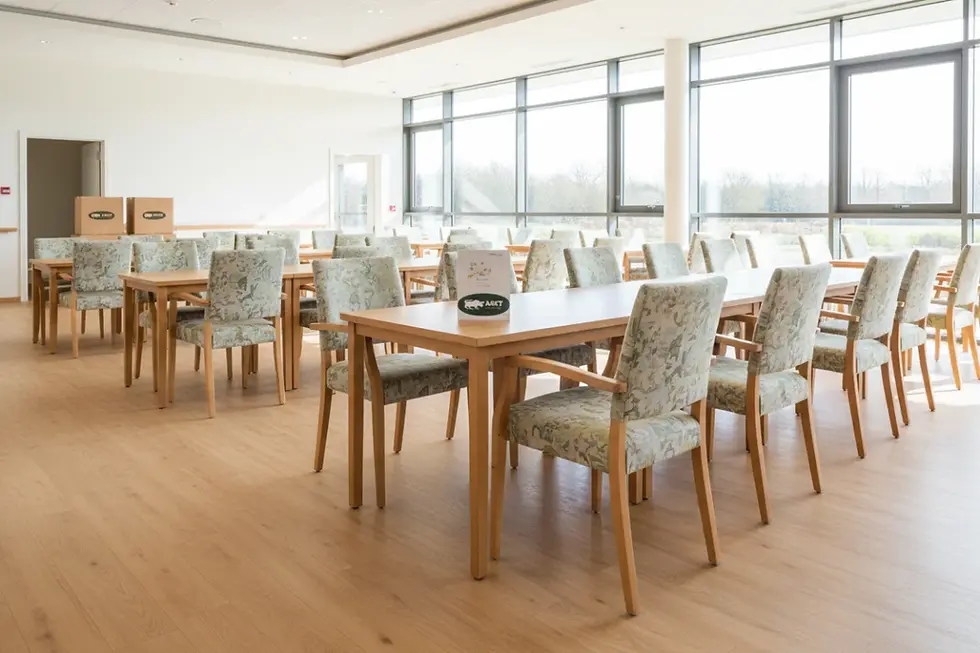
Upholstered restaurant chairs are the premier choice for creating an inviting, upscale atmosphere. By incorporating padded seats and backs wrapped in premium textiles or leathers, these chairs introduce physical warmth, tactile comfort, and sophisticated design elements into a space. Crucially, upholstered furniture absorbs ambient noise in busy dining rooms, creating a more intimate environment. However, this comfort introduces operational vulnerabilities. Fabrics and leathers are susceptible to liquid spills, food stains, physical wear, and cosmetic damage. Without high-performance materials and professional construction, upholstered seating can rapidly degrade, leading to premature replacement costs and negative guest perceptions.
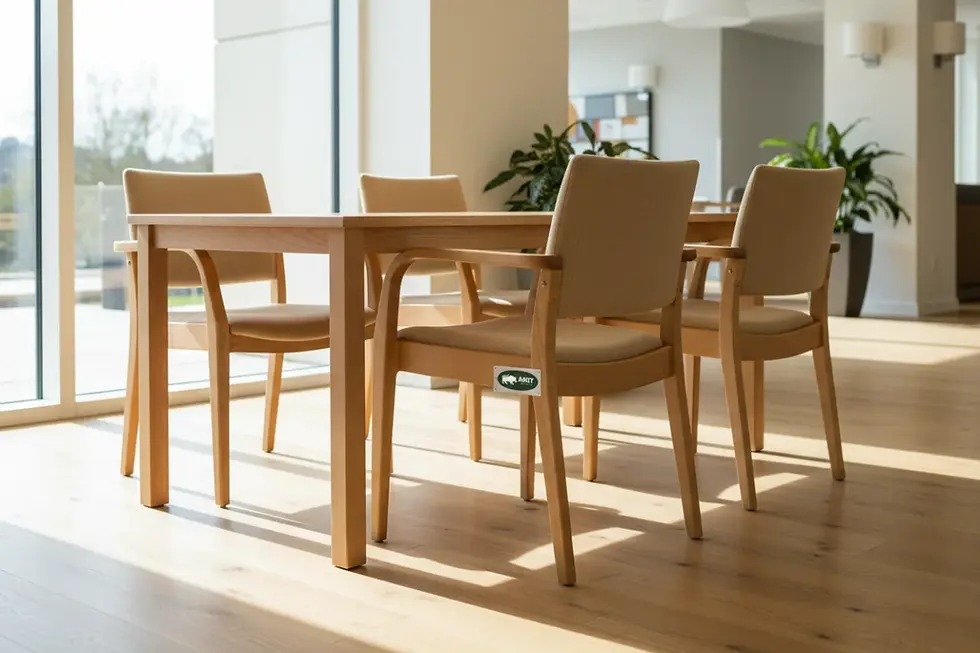
In contrast, non-upholstered restaurant chairs—typically constructed from materials like oak veneer, molded plywood, metal, or durable synthetics—offer exceptional operational resilience. These chairs are incredibly easy to sanitize, requiring nothing more than a quick wipe-down with standard commercial cleaning agents between guest seating cycles. They are highly resistant to scratches, impact, and structural wear, making them exceptionally durable assets for high-traffic environments. However, non-upholstered chairs lack the luxurious cushioning that encourages guests to settle in for an extended period. For venues prioritizing high table turnover, this can be an advantage, but for establishments focused on multi-course fine dining, the lack of long-term seating comfort can lead to shorter visits and reduced beverage and dessert sales.
To systematically evaluate these two distinct options, B2B purchasing managers should review the core operational differences highlighted in this comparison:
Operational Criteria | Upholstered Restaurant Chairs | Non-Upholstered Restaurant Chairs |
|---|---|---|
:--- | :--- | :--- |
Primary Business Objective | Maximize guest comfort, acoustic dampening, luxury brand alignment | Superior ease of maintenance, rapid table turnover, maximum lifespan |
Guest Dwell Time | Extended (ideal for multi-course meals and long conversations) | Short to moderate (optimized for quick-service and high-frequency dining) |
Maintenance Requirements | Regular vacuuming, spot cleaning, specialized stain-resistant treatments | Low effort, simple wipe-down sanitation, high resistance to food acids |
Aesthetic Versatility | Infinite combinations of fabric textures, colours, stitching, and padding | Clean, minimalist, modern lines emphasizing raw wood veneers or metal |
Structural Complexity | High (involves internal frames, padding, spring systems, and fabrics) | Low (typically solid wood, veneer panels, or welded steel frames) |
Best Suited Venues | Fine dining establishments, hotel lounges, high-end bistros, conference spaces | Fast-casual restaurants, food courts, breakfast bars, university canteens |
How does guest dwell time shape your hospitality seating selection criteria?
When developing a furniture sourcing strategy for hospitality projects, understanding the relationship between seat comfort and the venue's revenue model is a critical aspect of your hospitality seating selection criteria. A chair is not merely a place to sit; it is a tool that regulates the pace of the dining room. Professional buyers must carefully match the comfort profile of their chosen seating with the operational goals of the target venue.
For high-end establishments—such as fine dining restaurants, hotel bistros, and premium wine lounges—the financial success of the business relies on maximizing the average spending per guest. In these venues, clients expect to enjoy a leisurely experience, starting with pre-dinner drinks, moving through multiple courses, and concluding with desserts and digestifs. To support this prolonged dwell time, the seating must offer exceptional, fatigue-free comfort. Uncomfortable seating forces guests to skip dessert or digestifs, directly reducing average check size.
To achieve this level of sustained comfort, advanced seating construction is required. While standard high-density foam provides initial support, it can compress and lose its resiliency over time when subjected to constant use. Integrating pocket spring seating into upholstered dining chairs represents a superior manufacturing solution. Pocket springs distribute guest weight individually and dynamically, mimicking the luxurious comfort of premium domestic bedding while maintaining the seat’s structural loft and shape over years of heavy commercial use.
Conversely, high-turnover dining venues—such as bustling lunchtime cafes, quick-service franchise restaurants, and airport dining areas—operate on a high-volume, low-margin business model. In these environments, profit is generated by keeping tables moving. Non-upholstered chairs are highly effective in these settings because their firmer seat shells naturally discourage guests from lingering long after they have finished their meal. This helps maintain a steady flow of open tables during peak operating hours. Furthermore, the absence of fabric ensures that staff can clean and prepare tables in seconds, maximizing operational efficiency during rush hours.

What structural features determine contract dining chairs durability in commercial spaces?
In any commercial hospitality project, durability translates directly to return on investment and risk mitigation. Commercial seating must withstand continuous high-frequency loading, heavy cleaning, and rough handling. Therefore, verifying the elements that contribute to contract dining chairs durability is essential for preventing premature structural failure and avoiding potential safety liabilities.
The foundation of a highly durable contract dining chair lies in its frame construction and joinery. Metal-frame chairs are widely preferred in the contract sector due to their inherent structural strength and resistance to joint loosening over time. To ensure maximum stability and longevity, the joints of these metal frames must be welded using automated, high-precision manufacturing processes. Consistent, automated welding ensures that every joint is perfectly fused without the micro-cracks or weak points often left by manual welding.
Furthermore, the surface finish of the metal frame plays a critical role in its durability. Metal components should undergo electrostatic powder coating. This process applies a dry powder that is cured under heat, creating a hard, protective barrier that is significantly more resistant to scratching, chipping, and chemical cleaning agents than traditional liquid paint. This ensures that the chairs maintain their professional, scuff-free appearance even after years of being pushed under tables and cleaned daily.
For upholstered models, the internal structural integrity is equally vital. The internal seat pans must be reinforced with robust fastening methods to prevent the padding and support systems from shifting under pressure. Consistent quality control during the manufacturing process ensures that all structural components—from the wooden frame reinforcements to the metal fasteners—are perfectly aligned. By prioritizing these manufacturing details, B2B buyers can drastically reduce sourcing risks, ensuring that the furniture they supply meets the rigorous demands of European commercial environments.
How do advanced fabric technologies address the maintenance challenges of easy-clean contract furniture?
For many restaurant operators, the main barrier to selecting upholstered seating is the fear of constant maintenance and premature replacement due to stains and wear. Food grease, red wine, hot coffee, and acidic sauces are constant threats in any dining environment. Fortunately, major advancements in textile engineering have made easy-clean contract furniture a highly practical and reliable solution for modern hospitality designs.
Buyers should specify high-performance functional fabrics engineered for commercial environments. These modern textiles undergo advanced treatments that impart hydrophobic and stain-resistant properties at the molecular level, rather than relying on temporary surface sprays that wash off over time. This technology allows liquids to bead on the surface of the fabric, preventing them from soaking into the fibers or penetrating into the underlying high-density foam and pocket spring systems. Staff can easily wipe away spills with a dry or slightly damp cloth, minimizing cleanup times and keeping tables ready for the next guests.
In addition to liquid resistance, contract-grade upholstery must demonstrate exceptional physical performance in key areas:
Abrasion Resistance: The fabric must be tested using standard friction methods to ensure it can withstand continuous friction without thinning, pilling, or tearing.
Colour Fastness: High exposure to artificial light, natural sunlight near windows, and friction from guests' clothing can cause inferior fabrics to fade or transfer color. High-quality contract fabrics are chemically engineered to maintain their original color vibrancy over years of use.
Pet-Friendly and Scratch Resistance: In outdoor dining areas, hotel lobbies, or pet-friendly bistros, fabrics must feature tight, specialized weaves that resist snagging from claws and sharp objects, preventing cosmetic degradation.
Environmental and Safety Compliance: Premium contract fabrics should be certified free of harmful chemicals, ensuring they are safe for continuous human contact and aligned with modern European environmental standards.
By utilizing these advanced materials, designers and procurement specialists no longer have to sacrifice the comfort and aesthetic warmth of upholstered chairs to achieve the necessary durability required for commercial food and beverage venues.

What are the logistical and container loading advantages of KD structures for European importers?
For B2B furniture importers, wholesalers, and retail chains operating in Germany, the Netherlands, the UK, and other European markets, the total cost of a product is heavily influenced by logistics, warehousing, and transportation efficiency. A highly durable and attractive chair can become commercially unviable if it is too expensive to ship and store. This is why packaging optimisation and structural engineering are critical factors in the sourcing process.
Knock-Down (KD) structures represent a highly effective solution for optimizing shipping efficiency. By designing dining chairs that can be shipped partially disassembled, manufacturers can dramatically reduce the physical volume of the packaging. Standard fully assembled chairs contain a significant amount of "empty space" within their legs and frames, which drives up shipping costs. KD designs allow seat shells and legs to nest tightly together.
This packaging optimization has a direct, positive impact on container loading capacity. A standard 40ft High Cube (HC) container can hold significantly more units of a KD chair compared to its fully assembled counterpart. For European importers, this drastically lowers the ocean freight cost per unit, allowing them to maintain healthy profit margins while offering competitive pricing to their clients. Additionally, smaller packaging sizes reduce the amount of warehouse space required to store inventory, lowering overhead costs for wholesalers and retail chains.
However, KD structures present a unique engineering challenge. If the connection points are not manufactured with absolute precision, the chair may suffer from structural instability, wobbling, or loose bolts after assembly. To mitigate this sourcing risk, B2B buyers must partner with manufacturers that utilize high-precision CNC machinery and standardized drilling processes. This guarantees that all pre-drilled holes, metal thread inserts, and mounting brackets align perfectly. When the end-user or contract installer assembles the chair, the connections remain incredibly tight, achieving the same level of structural integrity and safety as a fully welded, pre-assembled commercial chair.
How can B2B buyers balance product customization with supply chain reliability and ESG compliance?
European furniture buyers must balance the demand for customized designs with supply chain stability. Offering customized options allows retail chains and interior designers to differentiate themselves, but it can also introduce quality control issues and lead times if not managed properly.
To successfully navigate this challenge, B2B buyers should look for experienced manufacturing partners who offer structured, professional OEM and ODM services. Customization should not mean starting from scratch for every project. Instead, it should be based on a modular product architecture where standardized, pre-tested structural components (such as metal frames, swivel mechanisms, and auto-return bases) can be paired with customized elements like fabric types, colours, custom dimensions, and wood veneer finishes (such as high-quality oak veneer). This approach allows buyers to offer a wide range of product variations without compromising manufacturing consistency or extending lead times.
Furthermore, the modern regulatory landscape in Europe places a heavy emphasis on sustainability and Environmental, Social, and Governance (ESG) compliance. Buyers must ensure that their suppliers adhere to strict ethical and environmental standards. Key compliance factors to consider during supplier evaluation include:
Ethical Manufacturing Practices: Ensuring that the manufacturing facilities provide safe working conditions, fair wages, and robust safety protocols for all workers, especially those operating heavy machinery, welding equipment, or handling industrial adhesives.
Responsible Packaging Materials: Traditional packaging materials like expanded polystyrene (EPS) plastics are increasingly restricted in Europe due to their environmental impact. Leading manufacturers are transitioning to sustainable packaging solutions, such as using highly protective, recyclable honeycomb paper boards and heavy-duty cardboard to protect delicate finishes and oak veneers during transit.
Safe Chemical Use: Adhesives, powder coatings, and wood finishes must be formulated to minimize formaldehyde and other volatile organic compounds (VOCs), ensuring that the finished furniture meets European safety and environmental guidelines.
By partnering with a manufacturer that combines robust OEM/ODM capabilities with a transparent, compliant supply chain, B2B buyers can confidently deliver customized, high-quality contract furniture to the European market while minimizing logistics, compliance, and quality risks.

Selecting the Ideal Commercial Seating Partner
In summary, the choice between upholstered vs non-upholstered restaurant chairs depends on finding the perfect balance between guest dwell time, maintenance realities, structural durability, and shipping configurations. For high-end fine dining and hotel lounges, upholstered chairs with pocket spring seating provide the luxurious comfort required to extend guest visits and maximize revenue. For high-traffic, fast-casual venues, durable non-upholstered chairs with robust metal frames and oak veneer shells offer the low-maintenance, rapid-cleaning capabilities essential for daily operational efficiency.
As a dedicated B2B furniture manufacturer with over 20 years of experience serving the European market, ASKT understands the complex technical, logistical, and environmental requirements of professional furniture buyers. We focus on providing highly reliable manufacturing, transparent quality control, and flexible customization services to help our partners succeed. Whether you are looking to optimize your container loading with precision KD structures, explore durable easy-clean fabric collections, or develop unique OEM/ODM designs, we are here to support your business.
To help you make the most informed purchasing decisions and select the perfect materials for your next hospitality or retail project, we have created a comprehensive tool to guide your team through every step of the selection process.
FAQ
How do pocket springs compare to standard foam for commercial dining chairs?
Pocket spring systems distribute weight dynamically and retain their shape over years of continuous heavy use, whereas standard foam can compress permanently over time, leading to sagging and reduced comfort.
Can we customize fabric colors and wood finishes to match our project designs?
Yes. Through our OEM and ODM services, B2B buyers can customize fabrics, colours, dimensions, finishes (such as high-quality oak veneer), and frame coatings to perfectly match their contract design specifications.
What logistics solutions help European wholesalers minimize container shipping costs?
Knock-Down (KD) structural designs allow chair parts to be nested and packed tightly, optimizing container loading space. This packaging optimization substantially increases the number of units per container, lowering ocean freight costs for European buyers.

Comments