


What Are The Most Durable Dining Chairs For Families With Kids?

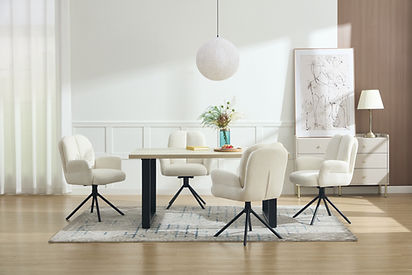
The most durable dining chairs for families with kids are the ones that stay stable (no wobble), cleanable (fast wipe-down), and repairable (tighten, replace glides, refinish) after years of spills, climbing, dragging, and daily use. “Durable” is not a single material; it is a system: frame strength, joinery, finish, seat surface, and serviceability working together.
Durable Dining Chairs For Families With Kids: The Durability Standard
A chair in a kid household typically fails in four predictable ways. If you can prevent these, you can confidently pick durable dining chairs:
Wobble (joint loosening)The frame racks side-to-side over time because joints loosen under uneven loading (kids leaning, rocking, climbing).
Finish breakdown (wear and staining)Cleaning, moisture, and abrasion dull or damage finishes, especially on seat edges and top rails.
Seat fatigue (compression and tearing)Foam flattens, seams split, and fabrics abrade where legs and knees constantly rub.
Floor-interface failure (glides and feet)Cheap stick-on pads fall off; uneven feet accelerate wobble and joint stress.
A durable dining chair maintains:
Structural stability (no racking, no new wobble)
Finish integrity (resists moisture, abrasion, and frequent cleaning)
Cleanability (minimal seams, minimal crevices)
Serviceability (tighten hardware, replace glides, refinish or reupholster)
Most Durable Dining Chairs For Families With Kids: Top Construction Priorities

If you only remember a few principles, use these. They are the highest “signal” indicators of durability for family dining chairs.
Frame Materials That Take Daily Abuse
The best-performing frame materials for durable dining chairs are:
Hardwoods (oak, maple, ash, beech): strong, stiff, and often repairable/refinishable.
Powder-coated steel or aluminum: excellent resistance to dents and fast cleaning; typically strong against racking when well-built.
High-quality molded plastic (one-piece or reinforced shells): extremely cleanable and often surprisingly tough for everyday impacts.
Material alone does not guarantee durability. A weak joint or a fragile finish can undermine a strong material.
Joinery That Prevents Wobble
Wobble is the main reason families replace chairs early. Prioritize joinery and bracing:
Mechanical wood joinery (for example, mortise-and-tenon-style construction) resists loosening better than purely stapled or lightly screwed joints.
Corner blocks under the seat add stiffness and distribute load.
Stretchers (crossbars between legs) reduce racking in active homes.
Welds on metal chairs are often more stable long-term than purely bolt-together frames, assuming weld quality is good.
Finishes That Survive Spills And Wipe-Downs
In kid homes, finishes fail less from “time” and more from cleaning frequency.
Look for:
Factory finishes described as high-performance or catalyzed on wood (they tend to cure harder and resist moisture better than softer decorative finishes).
Powder coating on metal frames for a tough, chip-resistant surface.
Fully sealed wood seats rather than open-grain, lightly sealed finishes if you expect frequent spills.
Avoid:
Extremely matte, easily burnished finishes if you want the chair to look consistent over years.
Heavy carving, deep grooves, or texture that traps food and cleaning residue.
Surfaces That Reset Fast After Meals
Practical “kid durability” often equals “cleaning durability”:
Molded plastic and sealed wood are usually the fastest to sanitize.
Upholstery can be family-friendly only if the fabric is truly performance-grade and the construction is tight (see the upholstery section).
Durable Dining Chairs Material Comparison Table
Use the table below to narrow down the best category for your family’s daily reality.
Chair Type | Structural Durability | Wobble Resistance | Spill & Stain Resistance | Scratch/Dent Resistance | Cleanability Speed | Repairability | Best Fit For Families With Kids Who… |
Solid hardwood | High | High (with strong joinery) | Medium–High (finish-dependent) | Medium | Medium | High | Want long ownership and the option to refinish or tighten over time |
Metal frame (powder-coated) | High | High | High | High | High | Medium | Drag chairs often and want minimal maintenance |
Molded plastic shell | Medium–High | Medium–High | High | High | Very High | Low–Medium | Want the fastest wipe-clean option and stain immunity |
Upholstered (performance fabric) | Medium–High | Medium | Medium–High | Medium | Medium | Medium | Want comfort and softness but still need kid-grade cleanability |
Upholstered (non-performance fabric) | Medium | Medium | Low–Medium | Medium | Low | Medium | Prefer look/feel over maintenance speed; higher risk for stains |
Natural fibers (cane/rattan) | Medium | Medium | Low | Low–Medium | Low | Low–Medium | Accept gentle use; prioritize aesthetics over rough handling |
Practical takeaway: for many families with kids, the safest shortlists are hardwood, powder-coated metal, and molded plastic, chosen based on your comfort and cleaning preferences.
Most Durable Dining Chairs For Families With Kids: Upholstery That Actually Works

Upholstered dining chairs can be durable in a family setting, but only when you evaluate them like equipment rather than décor.
Performance Fabric And Construction Basics
For kid households, prioritize:
Tight weave and high abrasion resistance
Stain-repellent performance finish or built-in barrier approach
High-quality stitching and reinforced seams (stress points at front seat edge)
Removable seat pads when possible (easier to repair and replace)
Avoid:
Loose weaves that snag
Light-colored non-performance fabric if spills are frequent
Deep tufting and heavy piping (crumb traps and cleaning friction points)
Abrasion Ratings: How To Use Them Correctly
In upholstery specifications, abrasion resistance is often expressed using tests such as “double rub” results. The practical way to use abrasion numbers is as a filter:
If abrasion is low, fabric will likely pill or wear quickly on dining seats.
If abrasion is high, it still does not guarantee stain resistance, but it improves durability against friction and daily movement.
For families with kids, treat abrasion performance as necessary but not sufficient; pair it with easy-clean guidance and realistic maintenance.
The Kid-Friendly Upholstery Shortcut
If you want upholstered comfort without anxiety:
Choose performance fabric, darker or medium tones, with straightforward cleaning instructions.
Prefer chair designs where the seat cushion can be replaced without replacing the entire chair.
Real-World Parent Feedback Patterns
“True reputation” in family furniture is usually not about catastrophic breakage; it’s about small annoyances that accumulate until replacement feels easier than repair. Across common customer-review and parent-to-parent discussion themes, families repeatedly mention:
What parents praise
“Still solid after years”: chairs that do not develop wobble.
“Wipes clean in seconds”: smooth seats, minimal seams, no crumb traps.
“Looks good despite kids”: finishes that hide micro-scratches and don’t turn glossy in random patches.
“Easy fixes”: replaceable glides and hardware that can be tightened without special tools.
What parents complain about
“It loosened quickly”: chairs that rely on light screws or weak joints without bracing.
“Impossible to clean”: tufted upholstery, heavy piping, deep grooves.
“Pads keep falling off”: cheap stick-on felt feet that don’t survive dragging.
“Fabric wore at the edge”: front seat edge abrasion, especially on lighter fabrics.
Use these patterns as a reality check: if a chair category has a known pain point (like crumb traps or loose pads), you can either avoid it or plan a mitigation strategy.
Durable Dining Chairs Inspection Checklist
Before you buy, run this checklist. It prevents most regrets.
The 60-Second Stability Test
Diagonal rock testPlace hands on opposite corners of the backrest and seat; apply gentle twist pressure. A durable dining chair should feel tight, not springy.
Leg spread and stanceWider stance generally improves stability. Very narrow stances can feel tippy with active kids.
Under-seat structureLook for corner blocks, bracing, or a sturdy seat frame. Thin rails and minimal reinforcement are red flags.
The Finish And Cleanability Test
Crevice scanCount seams, grooves, and decorative channels. More crevices equals more cleaning time.
Edge protectionSeat front edges and top rails get the most wear. Durable dining chairs either use resilient finishes or have shapes that hide minor wear.
Cleaning realismIf the chair would require delicate cleaning products or frequent professional care, it is not family-friendly durability.
Serviceability Test
Look for:
Replaceable glides (screw-in is a strong sign)
Accessible fasteners for tightening
Cushions or seats that can be replaced independently
Most Durable Dining Chairs For Families With Kids: Decision Matrix By Household Type
Use this quick table to match chair category to lifestyle.
Household Scenario | Best Durable Dining Chair Category | Why It Works |
Toddlers + frequent spills | Molded plastic or sealed wood | Fast wipe-down; fewer stain worries; minimal seams |
Kids who drag chairs constantly | Powder-coated metal | Resists dents; strong against daily movement; easy to clean |
Long-term ownership mindset | Hardwood with strong joinery | Repairable, refinishable, and can remain solid for years |
You want comfort for long dinners | Performance upholstered chairs | Comfort without constant stain panic (if truly performance-grade) |
Small space, multipurpose dining | Lightweight metal or molded plastic | Easier to move; often stackable; low maintenance |
FAQ

What are the most durable dining chairs for families with kids?
The most durable dining chairs for families with kids are typically hardwood chairs with robust joinery, powder-coated metal chairs with stable construction, and high-quality molded plastic chairs for maximum cleanability. The best choice depends on whether your household’s main stressor is spills, dragging, or long-term wear.
Are wooden chairs durable enough for kids?
Yes—wooden chairs can be exceptionally durable if they have strong joinery, good bracing, and a finish that tolerates frequent wipe-downs. Hardwood chairs also offer a practical advantage: many can be tightened, repaired, or refinished rather than replaced.
Do upholstered dining chairs work for families with kids?
They can, but only if you choose performance-grade upholstery and durable construction. For kid households, prioritize easy-clean guidance, strong seams, and fabrics built for abrasion resistance. If the chair has deep tufting or heavy piping, expect slower cleaning and higher long-term frustration.
What causes dining chairs to wobble over time?
Wobble usually comes from joint loosening and racking stress: uneven loads, dragging, and repeated rocking. Chairs with weak joints, minimal bracing, or cheap hardware loosen faster. Replaceable glides and periodic tightening can extend the life of otherwise solid chairs.
What is the easiest dining chair to clean with kids?
In most homes, molded plastic and sealed wood seats are the fastest to clean because they have fewer seams and fewer crumb traps. Upholstery can be manageable only when it is truly performance-grade and designed for quick wipe-downs.
How do I make dining chairs last longer in a kid household?
Use screw-in, replaceable glides and replace them when worn
Tighten hardware periodically
Avoid harsh cleaners that degrade finishes
Choose designs with minimal seams and crevices
Prioritize stability and bracing over decorative details


Comments