


What Information Should a Dining Chair Manufacturer Provide to Support B2B Buyers?

A reliable dining chair manufacturer should provide B2B buyers with a structured product information package covering technical specifications, quality and test data, compliance documents, customization options, pricing and MOQ details, packaging and logistics data, and marketing assets so buyers can evaluate ranges, reduce sourcing risk and make confident ordering decisions.
Why does a structured dining chair product information package matter for wholesale buyers?
A complete dining chair product information package for wholesale buyers is not just a convenience—it is one of the clearest signals of whether a supplier understands professional B2B purchasing. When information is scattered across emails, missing key technical details or only available on request, category managers waste hours chasing basics, comparing inconsistent data and correcting assumptions later in production.
For European retailers and importers, the cost of incomplete information goes well beyond administrative delay. It can lead to compliance issues at customs, customer returns due to unclear comfort or durability expectations, mismatched table-and-chair sets in showrooms, and inventory planning mistakes that tie up working capital. In short, the quality of documentation a manufacturer volunteers upfront usually mirrors the quality of their production, quality control and long-term supply reliability.
From two decades of working with European furniture buyers, I have seen the same pattern many times: suppliers who hide behind “we can do everything” without concrete specs are usually the ones that create the most surprises during mass production. The more structured the initial information package, the easier it is to compare offers fairly and build a stable collection.
A transparent package also makes internal approval processes smoother. Product managers, purchasing teams and quality departments all need different slices of the same information, and a well-organised supplier makes that handover straightforward rather than forcing the buyer to act as a translator between departments.

Category managers review dining chair compliance documents and material specifications to verify alignment with European market standards
What core product specifications should every dining chair supplier share?
Core product specifications are the foundation of B2B dining chair sourcing information for category managers. Without them, buyers cannot assess ergonomic fit, storage efficiency, showroom presentation or compatibility with existing dining table ranges. A professional supplier should provide the following details for every standard model:
Overall dimensions: seat height, seat depth, seat width, backrest height, total height, arm height (if applicable), and footprint width and depth.
Net and gross weight: important for logistics cost calculation, warehouse handling and customer return-rate forecasting, especially for e-commerce buyers.
Frame material and construction: metal frame specification, wooden frame composition, KD (knock-down) structure details and assembly type.
Seating construction: pocket spring, foam or other support systems, and an explanation of how each option affects comfort and durability.
Surface finishes: powder coating options for metal frames, wood veneer types such as oak veneer, and available colour references with standard codes.
Mechanism features: swivel function and auto-return behaviour where relevant.
These specs should be presented in a consistent format across the whole range so buyers can compare models quickly rather than manually reformatting data from different suppliers. When a manufacturer uses the same measurement conventions across every product line, category managers can drop the data directly into their own range planning tools without double-checking every figure.
Buyers should also pay attention to whether the supplier explains what each specification means commercially. A seat height figure on its own is useful for technical planning, but a note on how it pairs with common dining table heights is even more valuable because it reduces the risk of returns and showroom mismatches.
What quality, testing and compliance documentation should European retailers expect?
Dining chair supplier documentation for European retailers must go beyond general claims of “good quality.” Buyers need verifiable documents that reduce compliance risk, support due diligence and help them answer questions from their own quality teams or market regulators. Essential documentation includes:
Document Type | Why It Matters for European B2B Buyers |
|---|---|
--- | --- |
Structural and durability test reports | Helps verify that chairs meet expected use standards for residential or contract environments |
Fabric test certificates | Confirms abrasion resistance, colour fastness, breathability and waterproof or stain-resistant performance |
Material safety certificates | OEKO-TEX® STANDARD 100 fabric certification, formaldehyde-free adhesive information, and compliance-related material data |
Factory audit and social compliance | BSCI social audit results, worker safety practices and environmental management information |
Sustainability claims backing | Evidence for recycled materials, reduced plastic packaging or ESG-related statements so buyers can confidently communicate them |
It is important that test data is presented in context, not just as a list of numbers. For example, a high abrasion-resistance rating only becomes useful when the buyer understands whether it is suitable for family homes, busy cafés or hotel dining areas. A manufacturer that explains test results in terms of real-world use cases shows they understand European market expectations, not just lab procedures.
At ASKT, we share fabric performance data and certification details early in the conversation because we believe buyers should be able to evaluate risk before they invest time in sample development. Our OEKO-TEX® STANDARD 100 certified fabrics, including ASKT-Tex functional fabrics and recycled polyester options made from recycled plastic bottles, are documented clearly so retail teams can communicate safety, durability and sustainability with confidence.
We also make BSCI audit information and worker safety details available to professional buyers because we know European retailers increasingly audit their supply chain on social responsibility as well as product quality. A dining chair that looks great on a showroom floor still carries commercial risk if it cannot pass a buyer’s internal compliance review.

Quality review sessions combine dining chair samples, performance testing data, and compliance documentation for full B2B quality transparency
What material and customization details help buyers build a targeted range?
A strong product information package does not stop at standard models. It should also help buyers understand how to adapt a dining chair collection to their own brand, price point and customer base. For OEM and ODM projects in particular, clear customization documentation reduces misunderstanding and shortens the sampling cycle.
Key customization details a manufacturer should provide include:
Fabric range overview: material composition, colour families, performance characteristics such as waterproof, stain-resistant, pet-friendly and easy-clean properties, and recommended use cases.
Frame and finish options: metal frame colours, powder coating finishes, wood veneer choices and any minimum-order implications for non-standard finishes.
Dimension flexibility: which dimensions can be adjusted, which are fixed by tooling, and how changes affect ergonomics, cost and lead time.
Packaging and branding customization: private-label options, hangtags, labels, printed cartons, assembly instructions and any related MOQ requirements.
Design exclusivity: whether exclusive design protection is available, how it works and what commitment is required from the buyer.
For European retailers, this level of detail matters because a dining chair is rarely sold as a standalone product. It has to fit a lifestyle story, match a dining table collection, and hit a specific price tier without compromising on perceived quality. When the supplier clearly explains what can and cannot be customized, buyers can make faster, more commercially sound decisions.
One of the most underrated benefits of clear customization documentation is that it helps buyers avoid over-engineering a product. It is tempting to ask for every possible change, but a transparent supplier will explain which modifications add real customer value and which ones only add cost and lead time. That kind of honest guidance is what turns a transactional supplier into a long-term sourcing partner.
What pricing, MOQ, packaging and logistics information should be included?
Price lists alone are not enough. Professional B2B buyers need transparent commercial information that lets them calculate total landed cost, plan container loads and evaluate inventory risk. A reliable manufacturer should provide:
Tiered pricing: unit prices at different order volumes so buyers can plan promotions, test orders and bulk replenishments.
MOQ structure: minimum order quantities per model, per colour, per fabric and per custom variation, plus any flexibility for trial orders or mixed containers.
Packaging specification: carton dimensions, pieces per carton, packing method, protective materials used, and whether packaging can be optimized for plastic reduction or sustainability targets.
Container loading data: pieces per 20ft and 40ft containers, loading configuration options and any experience with mixed-product containers for dining sets.
Lead time transparency: sample lead time, mass production lead time, and factors that may affect scheduling such as custom fabrics or peak season capacity.
Trade terms: available Incoterms, payment terms and any additional costs such as tooling, sample fees or custom development charges.
This information directly helps category managers compare suppliers on a like-for-like basis. Two factories may quote a similar unit price, but if one offers better container utilization, lower MOQ for mixed SKUs or more sustainable packaging, the total commercial value can be very different.
I always encourage buyers to look at the full cost picture rather than just the ex-factory price. Packaging efficiency, repeat-order consistency and reliable lead times often have a bigger impact on profitability than a small difference in unit cost. This is also why modular systems such as KINEXA, which uses standardized seat shells and bases to create multiple SKUs with fewer components, are gaining interest among European buyers: they reduce MOQ pressure and inventory risk without narrowing the range.
Sustainable packaging details matter more every year too. Buyers serving European markets increasingly need to reduce plastic use and demonstrate ESG progress to their own customers. A manufacturer that can clearly describe honeycomb paper protection, reduced plastic components and recyclable packaging options helps buyers meet those targets without extra work on their side.
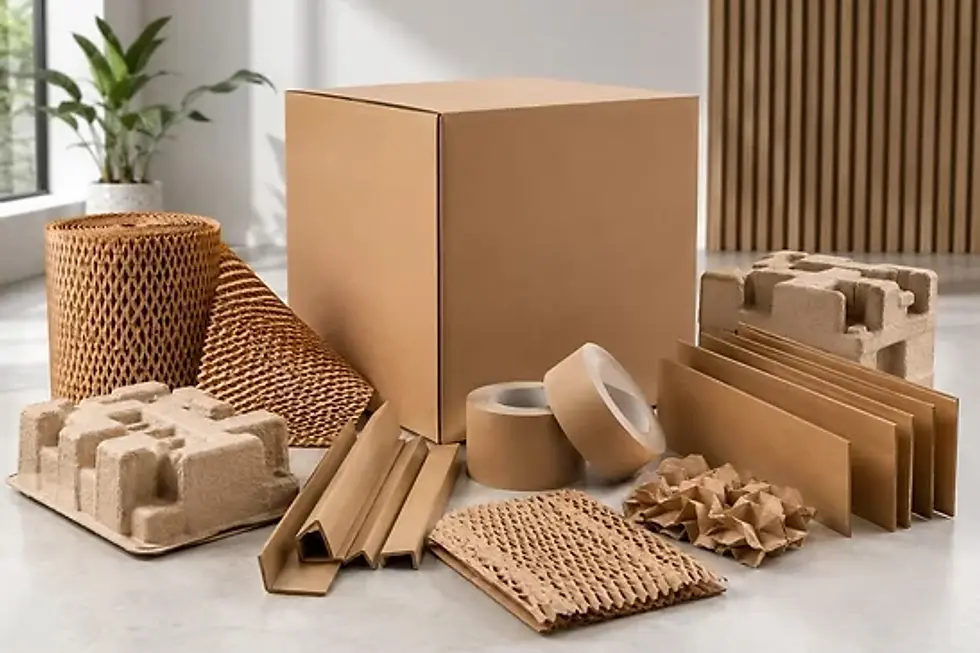
Clear packaging and logistics details help B2B buyers plan container loading and verify compliance with EU sustainable packaging regulations
What market and consumer insight support can a manufacturer offer?
A dining chair manufacturer that only provides specs and prices is still essentially a commodity supplier. One that shares market-relevant insights, design direction and usage data becomes a sourcing partner. For European buyers, this kind of support is increasingly valuable because it helps them stay ahead of trends without constantly testing unproven ideas.
Useful insight support may include:
Design trend observations: emerging fabric colours, frame styles and seating comfort preferences relevant to the European market.
Usage scenario data: research on real dining environments, table pairings, floor colour trends and space planning patterns such as the 1,000+ German home dining scenarios ASKT studied for product development.
Category advice: which chair types perform well in retail, e-commerce or contract channels, and why.
Modular range concepts: systems such as standardised seat shells and bases that let buyers build multiple SKUs with fewer components, reducing MOQ pressure and inventory risk.
The best insight support is not generic trend content copied from public sources. It is grounded in the manufacturer’s own production data, export experience and customer feedback from markets the buyer actually serves. A manufacturer that can explain why certain fabrics or frame shapes sell well in Germany versus the Netherlands, for example, is offering something far more useful than a generic trend report.
Digital tools are also starting to change this part of the supplier relationship. Platforms such as Sunbin KI, a conversational AI assistant built for professional buyers, help structure the information-gathering process by asking targeted questions about the buyer’s range, channels and constraints. The goal is not to replace human conversation but to make sure every relevant detail is captured early, reducing the back-and-forth that slows down international sourcing.
What marketing and sales assets help retailers and e-commerce brands sell faster?
Once a buyer selects a dining chair range, they need materials to present it to their own customers, sales teams and store networks. A manufacturer that provides professional sales assets upfront reduces time-to-market and lowers the buyer’s in-house content production cost.
Typical marketing and sales assets include:
High-resolution product images on clean backgrounds, ideally from multiple angles including detail shots of stitching, fabric texture and frame finishes.
Lifestyle imagery that shows the chair in realistic dining settings, if available, so buyers can visualise how it fits into home or contract environments.
Short product descriptions and key feature lists written from a consumer benefit perspective, which buyers can adapt for their own websites and catalogues.
Size charts, assembly instructions and care guides that can be used both online and in-store.
Video clips showing assembly, swivel function, fabric performance or 360-degree product views, especially valuable for e-commerce brands.
These assets should be provided in editable or high-resolution formats so retail teams can localise language, add branding and adapt them to different sales channels. A supplier that only sends low-resolution web images or locked PDF catalogues is shifting most of the content production cost onto the buyer, which adds to the total cost of the range.
For contract and hospitality buyers, sales support looks slightly different. They often need project-specific specification sheets, commercial case studies and guidance on how the chair performs in high-frequency environments. A manufacturer that can supply those materials helps the buyer win more projects, which in turn builds a stronger and more loyal supply relationship.
How do you evaluate a dining chair manufacturer by the quality of their information package?
One of the most practical answers to “what to ask a dining chair manufacturer before ordering” is simply: can they provide a consistent, complete and commercially relevant information package upfront? The way a supplier organises product data tells you a lot about how they will organise production, quality control and after-sales support.
When evaluating a manufacturer’s documentation, pay attention to these signals:
Consistency: are specifications, prices and lead times presented in a uniform format across all models, or does every product page look different?
Specificity: do they use concrete terms and test references, or vague language like “high quality,” “very durable” and “competitive price”?
Honesty about limitations: do they clearly state what cannot be customised, which tests are not yet available and where lead times may vary, or do they say yes to everything?
Buyer perspective: is the information organised around what a purchasing manager or product manager needs to know, or is it just a promotional product brochure?
Update process: is the information regularly maintained, or are prices, certifications and stock items clearly out of date?
A supplier that invests in clear, structured product documentation is usually a supplier that invests in process, quality control and long-term relationships. It is one of the fastest ways to shortlist reliable manufacturers before you ever request a sample.
This evaluation method also works well during first contact. If you send a short list of standard questions and receive a well-structured reply within a reasonable time, you have a strong indicator of how communication will run during sampling, production and any post-delivery issues. If the answers are vague, delayed or evasive, that is an early warning sign worth taking seriously.
Frequently Asked Questions
What should I ask a dining chair manufacturer before ordering a sample?
Before ordering a sample, confirm the exact specification of the sample model, available fabric and finish options, sample lead time, sample cost and whether any of the cost can be credited against a future order. Also ask which test certificates and compliance documents apply to that specific model so you can evaluate commercial fit at the same time as physical quality.
Why is fabric performance documentation so important for European retail buyers?
European consumers increasingly care about durability, easy cleaning, pet-friendly use and material safety. Documented fabric test data such as abrasion resistance, colour fastness, waterproof performance and OEKO-TEX® STANDARD 100 certification helps retailers justify pricing, reduce returns and communicate product benefits clearly to end customers.
How can a good information package reduce sourcing risk for importers?
A complete information package reduces risk by making expectations clear from the start: you know the exact dimensions, weight, packaging, compliance status and lead time before production begins. This helps avoid customs issues, freight miscalculations, quality disputes and costly rework, and it makes it easier to compare different suppliers on the same criteria.
If you are building or refreshing a dining chair collection for the European market and want to see what a transparent product information package looks like in practice, you are welcome to request our available product information and selection documents. Our team can share fabric cards, specification sheets, compliance details and customization options tailored to wholesalers, retailers and contract buyers.
FAQ
What should I ask a dining chair manufacturer before ordering a sample?
Before ordering a sample, confirm the exact specification of the sample model, available fabric and finish options, sample lead time, sample cost and whether any of the cost can be credited against a future order. Also ask which test certificates and compliance documents apply to that specific model so you can evaluate commercial fit at the same time as physical quality.
Why is fabric performance documentation so important for European retail buyers?
European consumers increasingly care about durability, easy cleaning, pet-friendly use and material safety. Documented fabric test data such as abrasion resistance, colour fastness, waterproof performance and OEKO-TEX® STANDARD 100 certification helps retailers justify pricing, reduce returns and communicate product benefits clearly to end customers.
How can a good information package reduce sourcing risk for importers?
A complete information package reduces risk by making expectations clear from the start: you know the exact dimensions, weight, packaging, compliance status and lead time before production begins. This helps avoid customs issues, freight miscalculations, quality disputes and costly rework, and it makes it easier to compare different suppliers on the same criteria.


Comments